
OUR APPROACH
Before any service: understanding the site.
GiardinArte does not work with catalogues or pre-defined solutions. Every project — from designing a new garden to maintaining an existing one — begins with an analysis of the actual site: the soil, the water table, water quality, exposure to the wind, and distance from the sea.
This is not a formality: it is the difference between a garden that truly stands the test of time and one that looks beautiful on the day of its unveiling but then requires constant attention without ever finding a balance. Versilia has very specific soil and climatic characteristics — shallow groundwater, sea spray, the libeccio wind, and well water often rich in iron and manganese — which make local expertise irreplaceable compared to any abstract knowledge.
“There is no such thing as the perfect plant. There is the right plant for that soil, that water, that light: perfection is always a matter of context.” — Andrea Giovannetti
Every project begins with a free initial consultation, during which we assess the space, requirements and objectives together. Only then do we propose a course of action — without pressure, without ready-made solutions.
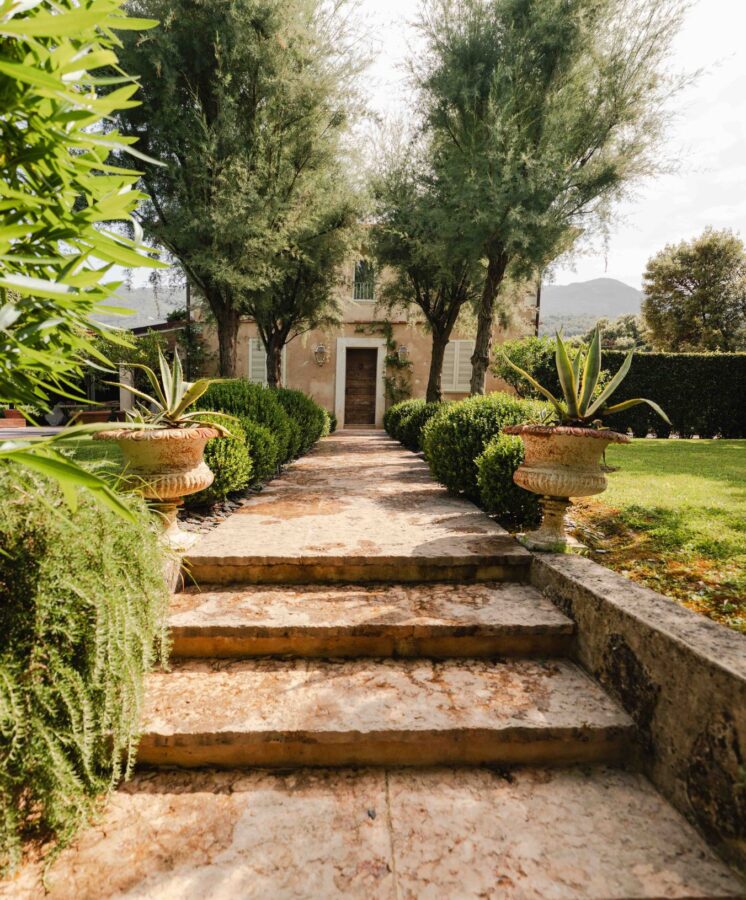
Designing gardens of excellence
From soil analysis to the final design — every choice is informed by the reality of the site.
A garden is born long before the first spade goes into the ground. It begins with soil analysis, an assessment of the water table, an understanding of the microclimate, and knowledge of which species can not only survive but thrive in that specific location. We design with an approach that unites the aesthetic and technical dimensions — because in a garden worthy of the name, the two are inseparable.
Our design process is not limited to the choice of plants. It includes soil structure, the sizing of the irrigation system, rainwater management, the selection of surface materials, and lighting design. Every element is conceived in relation to the others, with a vision of the final result ten years down the line, not ten days.
We work in close consultation with the architects and designers involved on the site. Greenery cannot be treated as a secondary element, left until last when everything else has already been decided: it must be part of the project from the outset, coordinated with underground systems, foundations and structures, to avoid mistakes that — inevitably — emerge too late.
OUR PROCESS
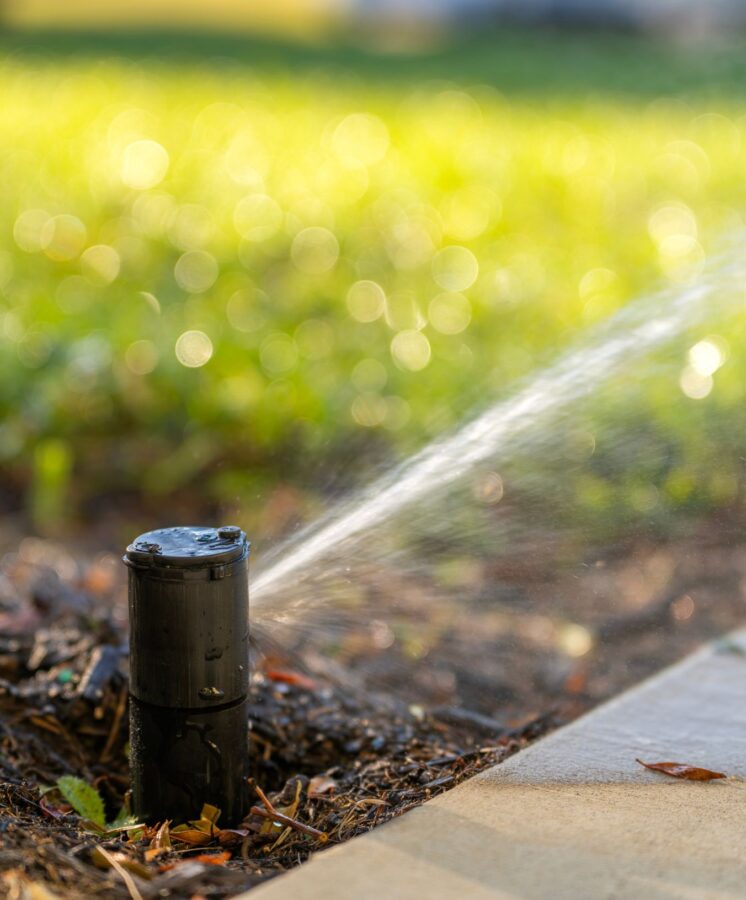
Bespoke irrigation systems
The invisible infrastructure that determines the health of your garden for decades to come.
An irrigation system is not an optional extra: it is the technical infrastructure that determines how much it will cost to maintain your garden each year, how much water it will consume each summer, and how well the plants will withstand the harshest months. Designing it poorly means accepting a silent, ongoing waste that nobody sees but everyone pays for.
Before making any decisions regarding the system, we analyse the quality of the available water. In Forte dei Marmi and throughout the Versilia coast, groundwater often contains high concentrations of iron which, distributed leaf by leaf, settles on the surfaces of plants, clogs the stomata and compromises plant physiology in a slow but progressive manner.
In some areas, the iron content is particularly high. In others, problems with manganese arise, or, near the coast, with salinity. Ignoring these factors means building a system that is ineffective from day one.
The systems we design and install deliver water where it is needed — to the roots, in the right quantity, at the right time — eliminating water loss through evaporation and reducing the risk of mineral build-up on vegetation. The control units we use read weather data in real time and adapt automatically: if it has rained, the system does not start. If the soil is already damp, it reduces the water supply.
Components of a GiardinArte system
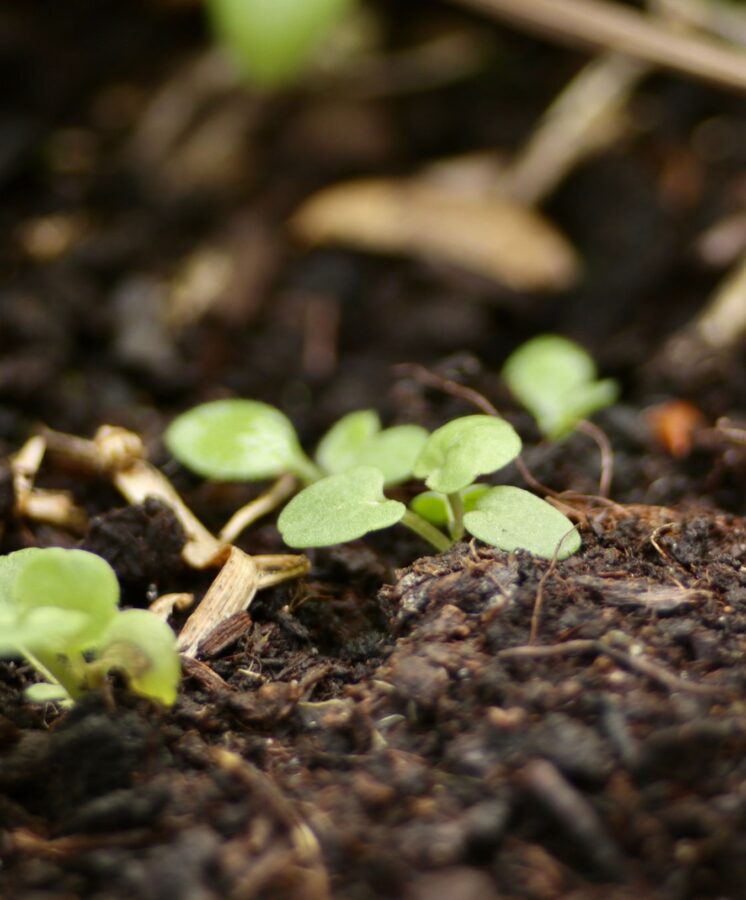
Botanical advice and soil management
The right plants for that soil, that water, that light.
Plant selection is the most important decision in a project — and the one most easily got wrong by those who do not know the area in depth. In Forte dei Marmi and throughout Versilia, the combination of the water table, sea spray, the south-westerly wind and the often complex quality of well water creates conditions that rule out many seemingly compatible species and favour others that the untrained eye would tend to overlook.
The cork oak, for example, is aesthetically magnificent and is included among the species recommended by the municipal regulations of Forte dei Marmi. But its physiology — roots that seek dry, well-drained soils — makes it unsuitable for much of the Versilia region, where the water table lies just fifty centimetres below the surface and waterlogging is frequent. Planting it in these conditions means witnessing a slow, progressive decline that is difficult to diagnose and impossible to correct without removing the plant. This is exactly the kind of mistake that twenty years of experience in the field allows us to avoid.
Soil preparation is the other half of botanical consultancy — and the one most often overlooked. Compacted soil, lacking in organic matter or with drainage problems, disperses water before it reaches the roots, stressing the plants and forcing you to water more and more to achieve less and less. Treating the soil before planting offers the best value for money in the landscaping sector: you do it once, and it works for years.
What we include
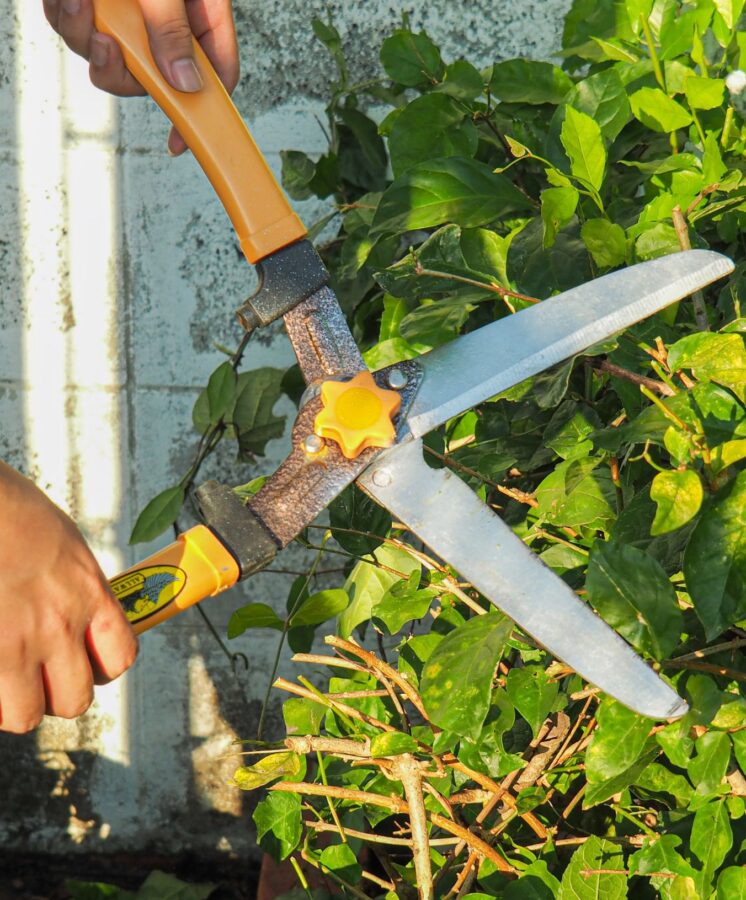
Professional maintenance
The garden as a living entity to be nurtured over time, not simply ‘fixed’ when problems arise.
The maintenance of a high-quality garden is not an optional extra: it is essential for that investment to retain — and increase — its value over time. A garden without regular maintenance does not simply stand still: it deteriorates. It loses the form for which it was designed, develops imbalances that become increasingly difficult to correct, and becomes vulnerable to diseases that timely intervention would have prevented.
Our maintenance programmes are built on specific knowledge of every garden we look after. There is no standard package: there is a frequency, a schedule and a set of tasks designed for that space, those plants, that season.
THE TASKS
Arboriculture and tree care
Mature trees are our heritage.
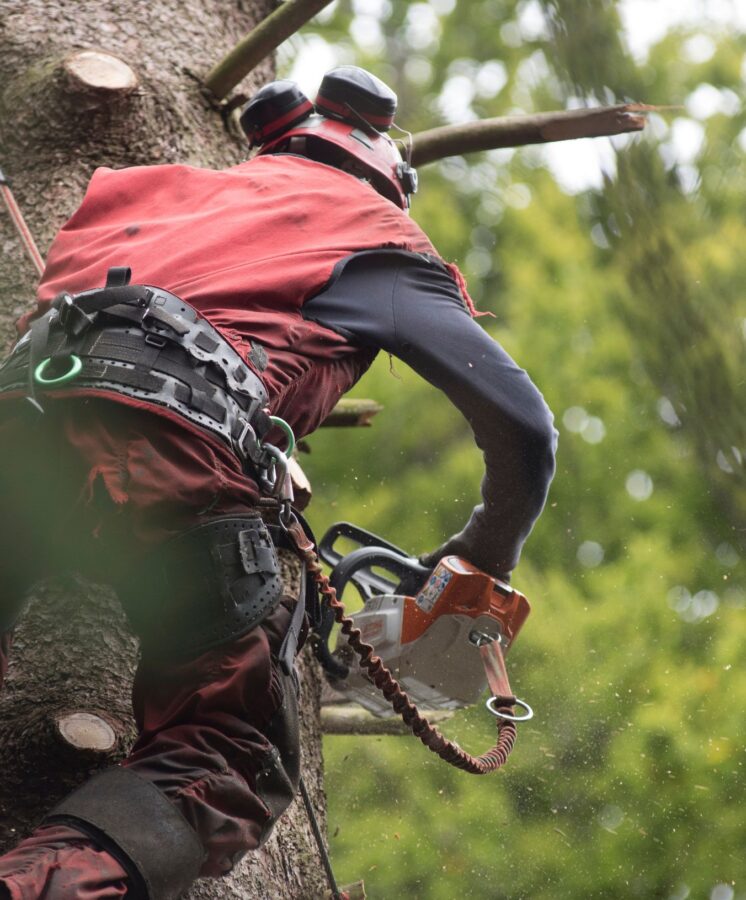
A mature tree embodies decades of growth. It shapes the perception of space, defines a property’s landscape identity, and contributes to the garden’s microclimate. Treating it as something to be cut down when it becomes a nuisance is one of the most costly — and irreversible — mistakes one can make in landscaping.
Pollarding — the cutting of the apical part and the main branches — is unfortunately still widespread, often presented as ‘vigorous pruning’. From an arboricultural point of view, it is a traumatic procedure: it creates large wounds that become entry points for wood rot, generates weak and poorly integrated suckers that over time increase structural risk, and destroys in a few hours the form that a tree has built up over decades. A pollarded pine is not a safer tree: it is a more fragile tree, more expensive to manage and irreparably compromised in its aesthetics.
The correct solution to space constraints is reduction pruning with return cutting: gradually reducing the crown by guiding each branch back towards a suitable lateral branch, whilst preserving the plant’s natural architecture. The result is a tree that retains its visual and structural identity, undergoes minimal stress and does not lose the stability that made it valuable.
Our tree care services
Renovation of existing gardens
First, the diagnosis. Then, the right interventions, in the right places.
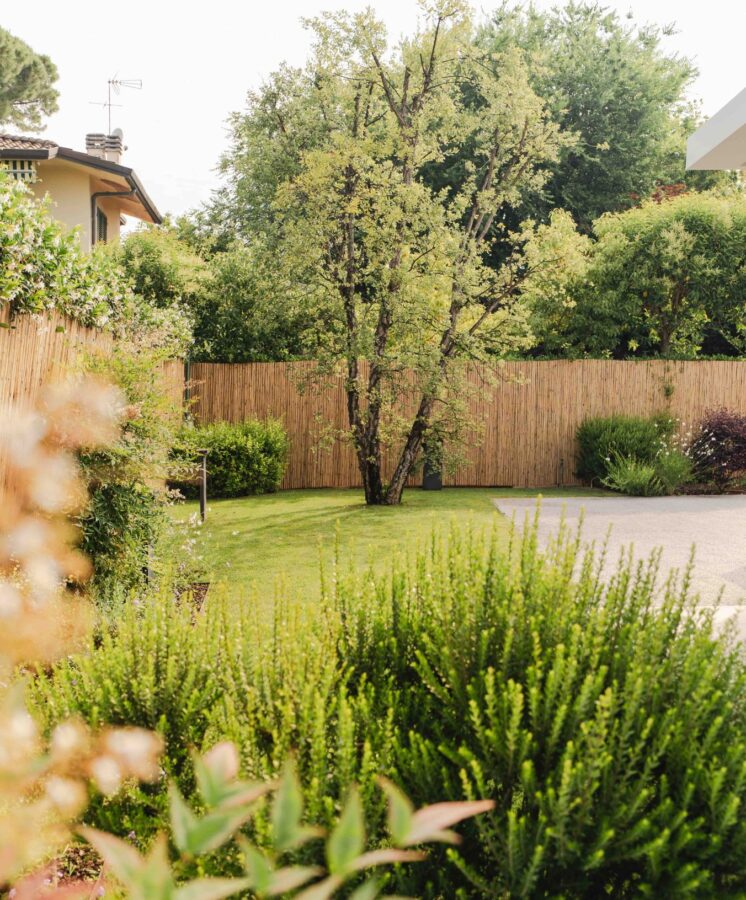
A garden that isn’t working — one that uses too much water, doesn’t grow as it should, requires constant attention without ever improving, and is beautiful in parts but disappointing overall — almost never needs to be completely rebuilt from scratch. It needs a precise diagnosis.
The most common causes of a garden that isn’t working are always the same: species unsuited to local conditions, an irrigation system that isn’t properly calibrated or has water quality issues, or soil that hasn’t been prepared correctly. Almost always, addressing one or two of these factors brings about a significant change without the need for a complete overhaul.
Our redevelopment service begins with a thorough analysis of the existing situation. We don’t arrive with pre-packaged solutions: we arrive with the right questions. What isn’t working? For how long? What has already been tried? What is the quality of the well water? How does the soil behave after heavy rain? The answers to these questions define the action plan — phased, targeted, and economically sensible.
How we work
Request a free initial consultation
Every project starts with a consultation
We offer a free initial consultation: we listen, ask the right questions, and then propose a course of action. Whether it’s a new garden to design, a system to redo, a tree you’re worried about, or a green space you’re not happy with, the starting point is always the same: truly understanding your needs before anything else.