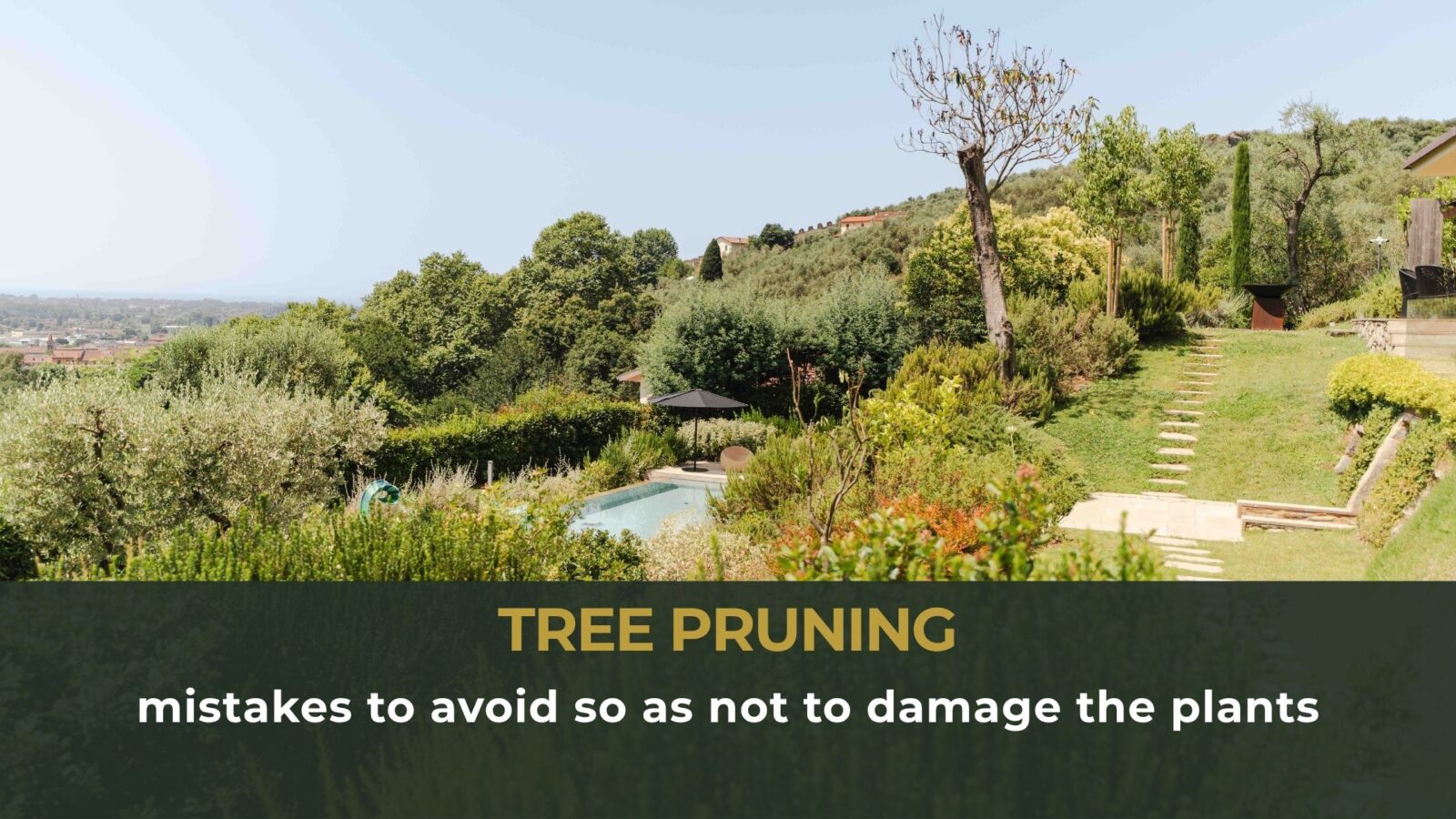
Caring for greenery requires experience, attention and knowledge of the correct techniques. Among the most delicate tasks is pruning, a fundamental operation for keeping trees healthy, safe and aesthetically pleasing.
However, when carried out incorrectly, it can cause serious damage to plants, compromising their growth and increasing the risk of disease. In coastal areas such as Versilia and Forte dei Marmi, where wind, salt spray and intense heat already put ornamental greenery under severe strain, it is even more important to carry out pruning with expertise.
Proper tree pruning helps preserve the health of plants, improve garden safety and enhance the aesthetic appeal of outdoor spaces. In this article, we will look at the most common mistakes to avoid and the best practices to adopt to achieve effective results without damaging trees and shrubs.
Why pruning is important
Pruning is not just about giving trees a neat shape. It is an essential task for removing dead branches, improving air circulation, allowing light to penetrate and encouraging balanced growth.
Proper tree pruning also helps prevent structural problems which, especially in the presence of strong winds such as those typical of coastal areas, could pose a danger to homes, cars or people.
Each plant species has different requirements, as some trees need light, regular pruning, whilst others require more targeted pruning at specific times of the year. Understanding these differences is crucial to avoid making the wrong cuts.
1) Pruning at the wrong time
One of the most common mistakes is pruning at the wrong time of year. Pruning at the wrong time can weaken the plant and make it more vulnerable to fungi, pests and environmental stress.
Generally, many tree species are pruned during dormancy, i.e. between late autumn and winter. However, some ornamental plants typical of Versilia gardens require different approaches.
Pruning trees during periods of intense heat, for example, can cause excessive sap loss and lead to the plant becoming dehydrated. Similarly, pruning before sudden frosts can hinder the healing of the branches.
For this reason, it is always advisable to rely on professionals in the field, who are able to assess the most suitable time based on the species and climatic conditions.
2) Overly drastic cuts: often irreversible damage
Many people believe that removing large quantities of branches makes the tree stronger or neater. In reality, overly aggressive pruning is one of the main sources of stress for plants.
When too much of the canopy is removed, the tree loses its ability to produce energy through photosynthesis. As a result, growth slows down and the plant becomes more vulnerable.
Drastic tree pruning can also lead to the growth of weak, untidy shoots, spoiling the plant’s appearance and increasing the risk of future breakage. In the gardens of Forte dei Marmi, where greenery also plays a significant decorative role, maintaining the natural balance of the canopy is essential for enhancing the entire landscape.
3) Using unsuitable tools
The tools used during pruning also play a crucial role. Dull shears or dirty tools can cause uneven cuts that struggle to heal. Poorly made cuts become an easy entry point for bacteria, fungi and harmful insects.
This problem is particularly significant in coastal areas, where humidity encourages the spread of fungal diseases. For proper tree pruning, it is essential to use professional, well-sharpened and regularly disinfected equipment.
Every cut must be clean and precise, avoiding tearing or crushing the wood. Furthermore, tools must be chosen according to the size of the branches and the type of plant.
4) Ignoring the plant’s natural structure
Every tree has a natural shape that should be respected during pruning. Overly invasive or purely aesthetic interventions can alter the plant’s structural balance.
A common mistake is to drastically alter the shape of the crown to achieve artificial shapes. This type of intervention often weakens the tree’s structure and increases the risk of collapse.
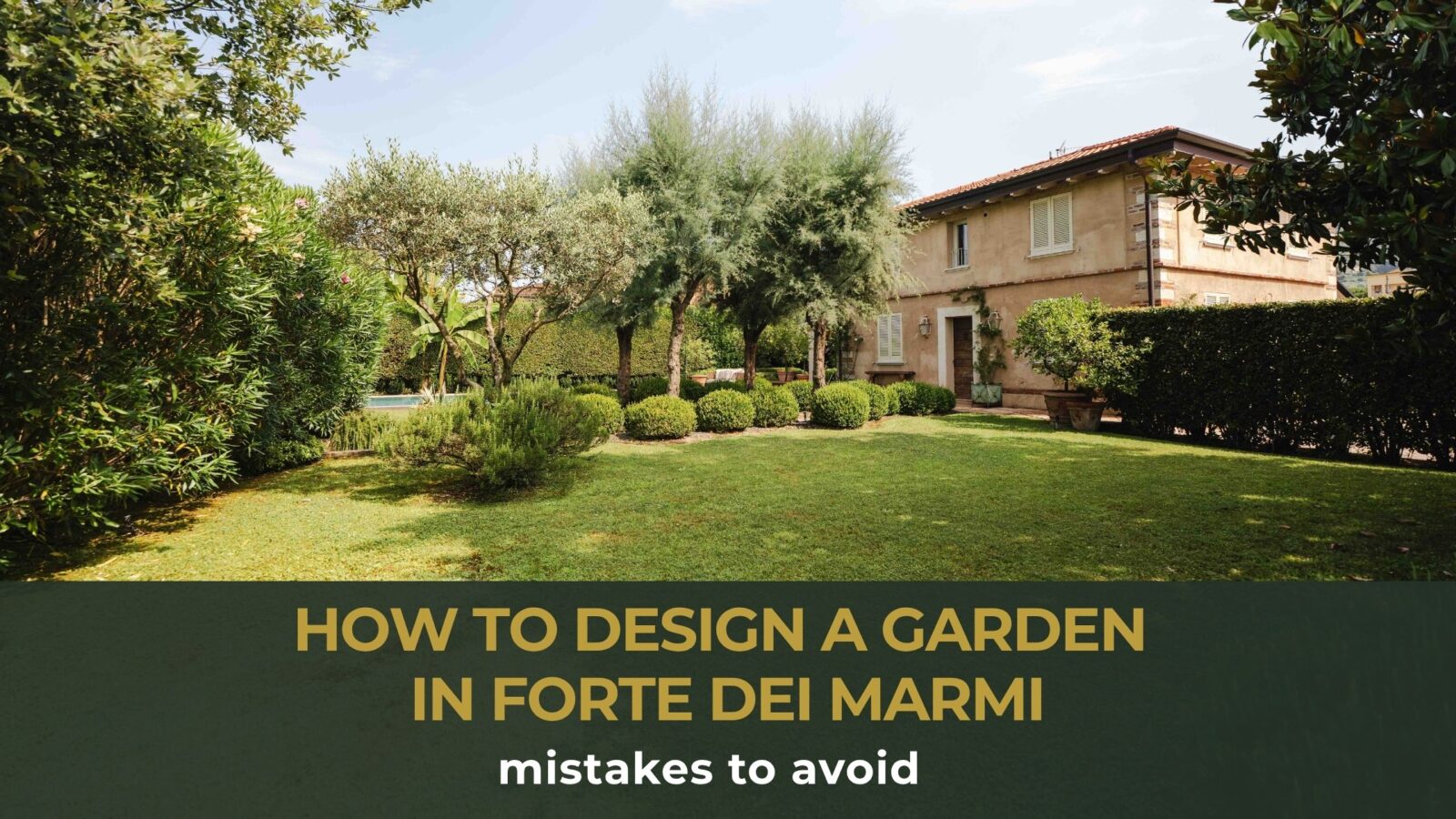
Good tree pruning, on the other hand, should complement the plant’s natural development, removing only dead, damaged or poorly positioned branches. In the gardens of Versilia, characterised by maritime pines, ornamental olive trees and Mediterranean trees, respecting the plants’ original shape also helps to preserve the landscape’s authentic charm.
5) Neglecting safety during work
Pruning can become a very dangerous activity if adequate safety measures are not taken. Working at height, using chainsaws or working on large trees requires specific skills.
Many accidents occur precisely because of improvised work carried out without the right equipment. Furthermore, a wrong cut can cause heavy branches to fall uncontrollably.
Professional tree pruning always involves the use of protective equipment, safe platforms and specific techniques to control falling branches. Relying on expert gardeners is the best choice to ensure safety and achieve high-quality results.
Pruning and the coastal climate: what you need to know in Versilia
The climate of the Tuscan coast has particular characteristics that affect the health of trees. The constant presence of wind and salt spray can make plants more sensitive to the stress caused by incorrect pruning.
For this reason, in areas such as Forte dei Marmi and Viareggio, pruning must be carefully planned. Trees already exposed to harsh environmental conditions require more delicate care.
Proper management of green spaces helps preserve the beauty of gardens even during the most challenging seasons. Choosing local professionals is a significant advantage, as they have a thorough understanding of the needs of the most common species in the area and the typical issues associated with the maritime climate.
The benefits of professional pruning
Work carried out by experts offers numerous benefits, both in terms of aesthetics and plant health. First and foremost, professional pruning improves the stability of trees and reduces the risk of branches falling during storms or strong gusts of wind.
Furthermore, it helps maintain balanced growth and enhances the garden’s appearance. Well-maintained greenery also increases the aesthetic and property value of homes, a particularly important consideration for villas in Versilia.
Finally, proper maintenance helps prevent more costly interventions in the future, avoiding structural damage or diseases that are difficult to manage.
Conclusion
Pruning is essential for ensuring the health, safety and beauty of trees, but it requires expertise and care. Mistakes such as overly drastic cuts, pruning at the wrong time of year or using unsuitable tools can seriously compromise the vitality of the plants.
Proper tree pruning, on the other hand, helps preserve the natural balance of the canopy, improve garden safety and enhance the green spaces typical of Versilia and Forte dei Marmi.
Relying on experienced professionals means protecting your green assets and ensuring your plants grow healthily and thrive over the long term.
Are you looking for someone to prune your trees in Forte dei Marmi?